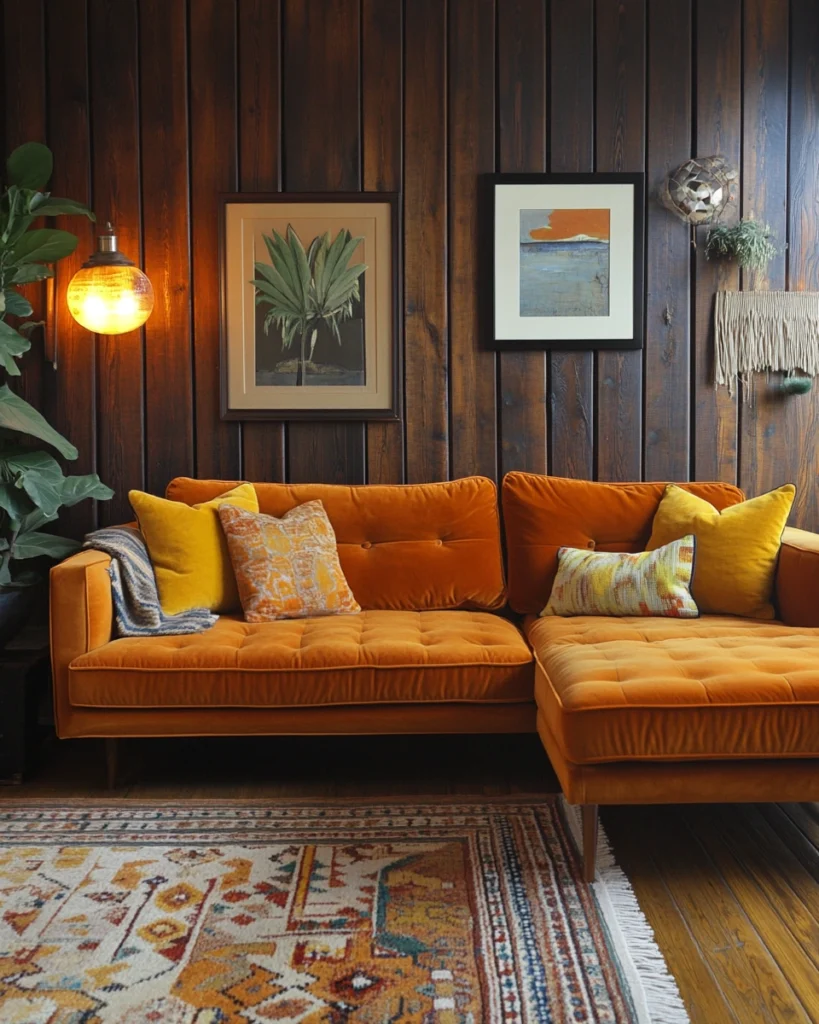
There’s something about a 1970s-inspired apartment that feels immediately warm, unapologetically bold, and refreshingly human. In an age of cold minimalism and gray-on-gray everything, the vintage 70s aesthetic is making a serious comeback — and honestly, it never should have left. This style is all about layering rich textures, earthy tones, and furniture with personality that makes you feel like every corner of your home has a story to tell.
Whether you’re decorating a studio apartment or a multi-room flat, infusing your space with retro 70s warmth is more achievable than you think. Here’s how to do it right.
Embrace the Color Palette of the Era
The 70s were not shy about color. If you want to capture that authentic retro warmth, you need to commit to the palette. Think burnt orange, avocado green, harvest gold, warm terracotta, chocolate brown, and deep mustard yellow. These weren’t accidental color choices — they were deeply connected to the earthy, back-to-nature mood of the decade.
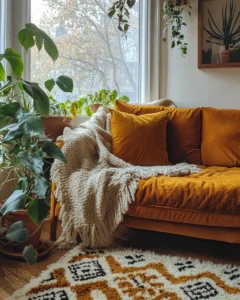
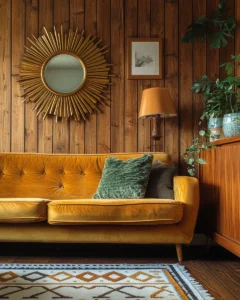
You don’t have to paint every wall in a bold shade. Start with one statement wall in a deep rust or olive tone, then layer the rest through textiles, furniture, and accessories. A mustard yellow sofa against a warm cream wall with brown trim is already deeply 70s without screaming costume party.
Wood Paneling and Warm Wall Treatments
Nothing says “70s apartment” quite like wood paneling. Whether it’s real walnut veneer, painted pine panels, or simply a wood-effect wallpaper, this wall treatment brings instant warmth and visual texture to any room. It grounds the space and adds a moody, cozy quality that modern drywall simply can’t replicate.
If full wood paneling feels like too much of a commitment, try a half-paneled wall — wood panels on the lower half, a warm paint color above. This technique was incredibly popular in 70s homes and adds architectural character without overwhelming the room.
For a softer alternative, consider macramé wall hangings, textured woven wall art, or vintage-style wallpapers featuring abstract geometric prints or large botanical-free patterns in earthy tones. These add richness and period-accurate personality to your walls.
Furniture with Curves, Weight, and Character
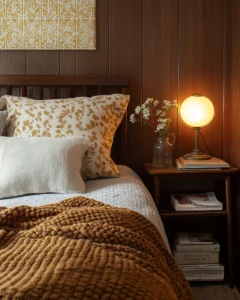
Forget sharp corners and sterile silhouettes. The furniture of the 1970s had presence. Sofas were low-slung and deep, with wide cushions you could genuinely sink into. Armchairs had curved backs and chunky wooden bases. Coffee tables were made of thick wood slabs or featured smoked glass with brass detailing.
Key Furniture Pieces to Look For:
- Curved velvet or corduroy sofas in rust, brown, or olive green
- Tulip or mushroom chairs with rounded organic shapes
- Waterfall-edge coffee tables in teak or walnut
- Rattan and wicker seating — armchairs, side chairs, or headboards
- Sideboards and credenzas with tapered legs and simple hardware
- Bean bag chairs or floor cushions for casual, layered seating
Thrift stores and estate sales are gold mines for authentic pieces. Alternatively, many modern furniture brands now produce 70s-inspired designs that are new but faithful to the aesthetic.
Layer Rugs and Textiles Like a Pro
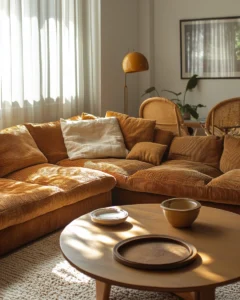
The 70s were a decade of sensory richness, and textiles were central to that. Shag rugs, woven wool carpets, chunky knit throws, velvet cushions, and macramé accents were everywhere — and layering them together is exactly what gives a vintage apartment that enveloping, warm atmosphere.
Start with a large area rug as the foundation. A geometric pattern in rust, gold, and brown tones works beautifully. Layer a smaller shag rug or woven runner on top for depth. On your sofa, mix velvet throw pillows in complementary earth tones with a chunky knit blanket draped casually over one armrest.
Curtains matter too. Avoid modern blackout panels in stark colors. Instead, choose heavy linen or velvet drapes in a warm color — deep rust, forest green, or chocolate brown — hung from the ceiling to the floor. This makes the room feel taller, cozier, and more dramatically vintage.
Retro Lighting That Sets the Mood
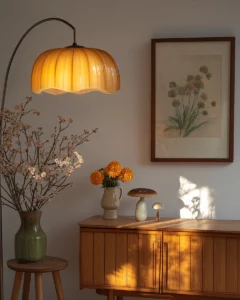
Lighting in a 70s apartment is everything. The goal is warmth — low, amber-toned light that makes every corner feel like a late-evening gathering. Forget bright overhead LED panels. The 70s lived by lamps.
Lighting Ideas to Nail the Retro Vibe:
- Arc floor lamps with gold or brass stems and drum shades
- Mushroom table lamps in ceramic or smoked glass
- Pendant lights with amber or smoked glass shades
- Lava lamps as accent pieces on shelves or side tables
- Edison bulbs in any fixture you already own — they instantly warm the look
Dimmer switches are your best friend. The ability to lower the lighting to a warm glow in the evening is what separates a truly 70s-feeling apartment from just a room with retro furniture.
Shelving, Displays, and Retro Accessories
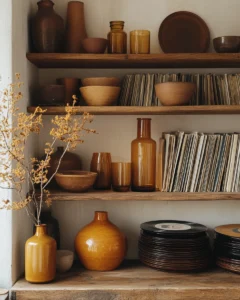
Open shelving and curated displays were a hallmark of 70s interior style. Think floating teak shelves lined with vintage ceramics, earthenware pottery, stacked vinyl records, woven baskets, and retro glassware in amber and brown tones.
Ceramics deserve special attention. The 70s were obsessed with handmade, rustic pottery — chunky mugs, textured vases, organic-shaped bowls. Amber and brown glassware (think vintage drinking glasses, pitchers, and decanters) adds that unmistakable period warmth, especially when light passes through them.
Don’t forget the smaller details: a turntable on a credenza, a vintage rotary telephone, a stack of art books with retro covers, or a collection of woven coasters. These props make a space feel lived-in and authentically 70s without requiring a total renovation.
Bringing It All Together in a Small Apartment
One concern people often have with the 70s aesthetic is that it might feel heavy or overwhelming in a smaller space. The key is balance. You don’t need every element at full intensity — you just need enough of them to tell the story.
In a studio apartment, focus on one anchor piece: a curved velvet sofa, a wood-paneled feature wall, or a bold vintage rug. Build outward from there, layering in textiles, lighting, and accessories gradually. Keep pathways clear and let the furniture placement feel natural rather than forced.
Use mirrors strategically — but choose the right kind. A round sunburst mirror in gold or bronze is deeply 70s and will reflect light without looking modern. A vintage-framed rectangular mirror leaning against a wall also works beautifully and adds casual, lived-in charm.
Conclusion: Warmth Is the Point
The vintage 70s apartment isn’t just a style — it’s a feeling. It’s the warmth of amber light bouncing off teak shelves. It’s the softness of a velvet sofa after a long day. It’s the visual richness of layered rugs, earthy tones, and furniture that has weight and soul.
In a world that often defaults to cold perfection, designing a space with retro 70s warmth is an act of intentional comfort. Start with the palette, commit to the textures, hunt for furniture with character, and let your apartment become a space that actually feels like home. The 70s got a lot right — and this is one thing worth bringing back.
