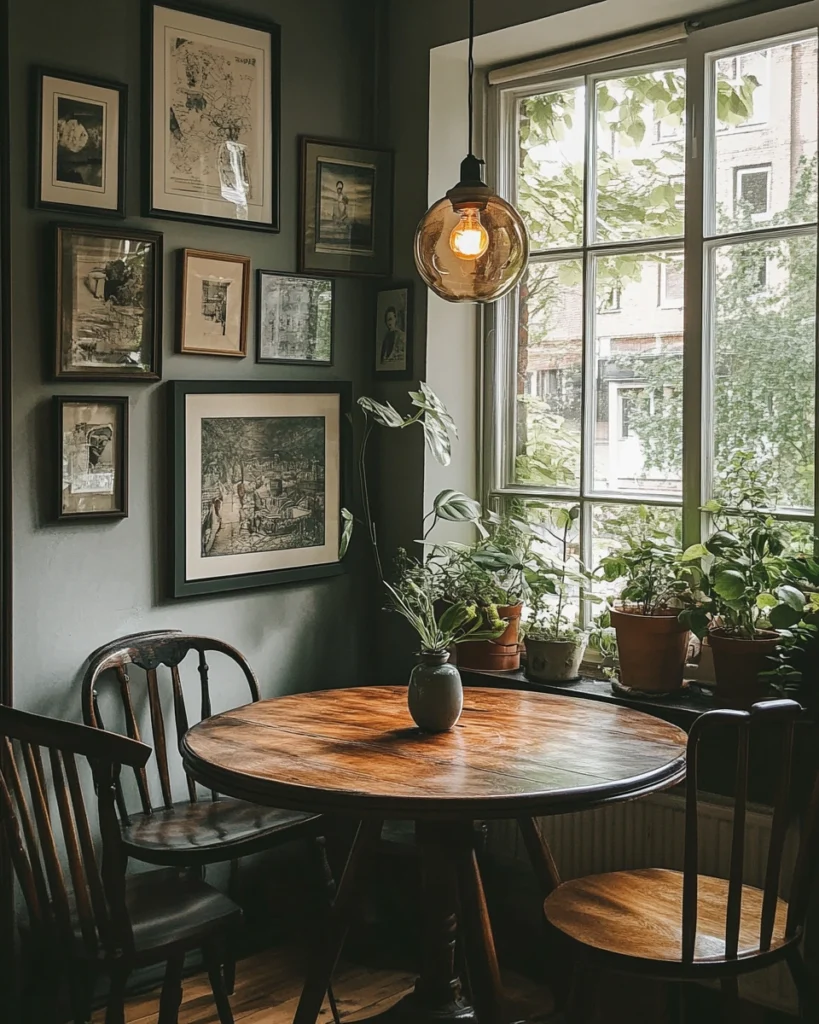
Small Apartment Dining Nook Ideas That Look Stylish
If you’re working with limited square footage, creating a dedicated dining area might feel like a luxury you can’t afford. But a well-designed dining nook doesn’t require a separate room or a large footprint — it just requires the right approach. A small dining nook, when styled thoughtfully, can actually become one of the most charming spots in your entire apartment.
Whether you’re carving out a corner of your living room or maximizing an awkward wall, here’s how to make it look stylish, intentional, and totally put-together.
Choose the Right Table Shape for Tight Spaces
The table shape you pick will define how well your nook works — both functionally and visually.
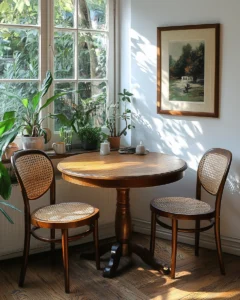
Round tables are the classic go-to for small spaces. They have no sharp corners, allow easier movement, and create a social, intimate feel. A 32–36 inch round table is a sweet spot for two people with occasional room for four.
Oval tables give you the benefits of round tables with a bit more surface area, making them ideal if you occasionally need extra space to spread out work or host a third guest.
Wall-mounted drop-leaf tables are game-changers for micro apartments. Fold them up when not in use and you reclaim the floor entirely. Paired with stools that tuck underneath, they’re nearly invisible.
Avoid large rectangular tables unless you’re placing one side flush against a wall — which leads to the next big idea.
Build a Banquette Seating Setup
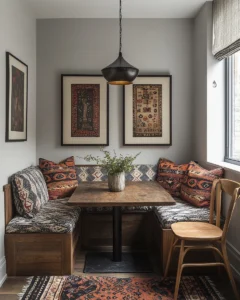
Banquette seating — a built-in or semi-built-in bench along one or two walls — is one of the most space-efficient dining solutions you can create. It eliminates the need for chairs on every side, pushes diners against the wall instead of out into the room, and often provides hidden storage underneath the bench seat.
You don’t need a carpenter to pull this off. Many IKEA hacks use KALLAX shelving units as the base structure, topped with a cushioned seat pad. Place it in a corner, run a table alongside it, and add two chairs on the opposite side. The result looks intentional and stylish, not cobbled-together.
For cushions, choose a durable upholstery fabric in a pattern that can hold up to daily use — something like a stripe, grid, or textured solid in navy, terracotta, or forest green tends to photograph beautifully and ages well.
Light the Nook Like It Matters
Lighting is what separates a forgettable corner from a destination in your home. A pendant light hung low over the dining table instantly defines the space and signals that this is a real dining area — not just where you happen to eat.
Pendant Lights
A single pendant centered over the table works beautifully. Go for something with visual texture — rattan, smoked glass, black metal, or woven cord. Keep the drop height so the bottom of the light sits about 28–32 inches above the tabletop.
Wall Sconces
If you can’t hardwire a pendant, plug-in wall sconces on either side of the nook create a layered, café-like atmosphere. Position them at eye level when seated for the most flattering effect.
A Statement Fixture
For nooks that sit in an open-plan space, an architectural light fixture — something unusual or oversized — can act as a visual anchor that separates the dining area from the rest of the room without using any physical dividers.
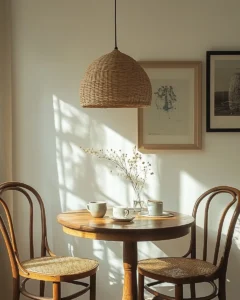
Use the Wall Space Strategically
In a small nook, the walls are your secret weapon. Since you’re working with limited floor space, drawing the eye upward makes the area feel more expansive and more designed.
Here are ways to use the walls well:
- Gallery wall — A tight cluster of framed prints or photographs behind the dining bench adds personality and makes the nook feel curated. Keep frames in 2–3 coordinating finishes.
- Mirror — A single large mirror reflects light and visually doubles the space. Position it opposite a window for maximum effect.
- Open shelving — A small floating shelf above the bench seat lets you display ceramics, glassware, or books, making the nook feel like part of a larger, cohesive living area.
- Painted accent wall — Even if you’re renting, a removable wallpaper panel or a painted (if allowed) accent color behind the nook creates a visual frame that makes the space feel intentional.
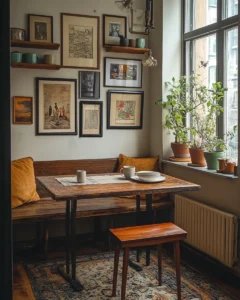
Pick Chairs That Double as Decor
In a nook this small, chairs do double duty as both seating and visual elements. Don’t default to matching sets if a mix of styles will serve the space better.
Consider these options:
- Bentwood chairs (like the classic Thonet style) are lightweight, visually airy, and work with almost any aesthetic
- Metal café chairs in black or brass add an industrial-meets-Parisian energy
- Upholstered accent chairs bring softness and color — useful when the rest of the nook is neutral
- Folding chairs that store flat are a practical lifesaver when guests arrive
The key is visual lightness. Chairs with thin legs and open backs keep the space from feeling cramped. Avoid bulky upholstered chairs unless the table is wide enough to give them room to breathe.
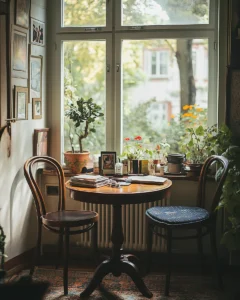
Add Texture and Layering Through Textiles
Even the smallest dining nook benefits from softness. Textiles are low-cost, easy to swap out, and one of the fastest ways to make a space feel styled rather than functional.
A table runner in linen or cotton adds warmth without covering the whole surface. Chair cushions in a contrasting or complementary fabric add comfort and color. A small rug underneath the table defines the nook as its own zone, especially useful in open-plan apartments where boundaries between spaces blur.
For a cohesive look, pick two to three colors that repeat across textiles — for example, terracotta cushions, a natural linen runner, and a rust-toned rug all tie together without being matchy-matchy.
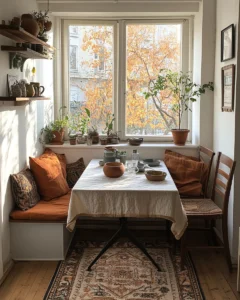
Style the Table Surface Like a Still Life
The tabletop itself is prime styling real estate when the nook isn’t in use. You don’t need much — just a few intentional objects.
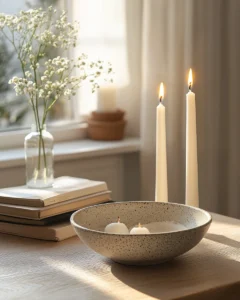
Think: a small tray with a candle and a salt dish, a stack of well-designed cookbooks on one edge, a ceramic pitcher, or a simple bowl of fruit. The goal is to create a still-life effect that looks like it happened naturally but is actually composed.
Avoid overcrowding. Two or three objects with varying heights is enough. Leave room for the visual to breathe, and make sure you can still clear the table quickly when it’s actually mealtime.
Conclusion: Small Space, Big Impact
A dining nook doesn’t need square footage to make a statement. With the right table shape, smart seating like a banquette, layered lighting, and thoughtful styling, even the tiniest corner of your apartment can become a space you genuinely love eating in — and showing off.
Start with one strong element (a pendant light, a banquette, a gallery wall), and build outward from there. Small spaces reward intentionality more than any large room ever could.
