Renting doesn’t mean settling. Too many apartment dwellers put up with dull walls, awkward layouts, and furniture that was never really theirs — waiting for someday when they finally own a home. But that someday doesn’t have to come before you start loving where you live.
With the right strategies, you can completely transform a basic apartment into a space that feels curated, personal, and genuinely beautiful — without knocking down walls or losing your security deposit.
Start With a Clear Vision
Before buying a single throw pillow, get intentional. Apartments are small. Every piece you add either works toward a cohesive look or fights against it.
Ask yourself: what feeling do you want when you walk through the door? Warm and moody? Light and airy? Eclectic and colorful? Knowing your answer makes every decision easier.
Create a Mood Board
Collect images — from Pinterest, magazines, Instagram — that genuinely excite you. Don’t edit too early. Pin everything that catches your eye, then look for patterns. You’ll start to notice whether you’re drawn to deep jewel tones or soft earthy neutrals, industrial materials or natural wood, clean lines or layered maximalism.
That pattern is your style. Build from there.
Tackle the Walls Without Losing Your Deposit
Blank white walls are one of the biggest apartment struggles. But painting isn’t your only option — and honestly, it’s not always the best one.
Removable Wallpaper and Peel-and-Stick Options
Peel-and-stick wallpaper has come a long way. You can now find realistic linen textures, bold geometric prints, subtle botanicals, and even faux brick — all fully removable. Use it on a single accent wall behind the sofa or bed for maximum impact with minimum commitment.
Gallery Walls with Command Strips
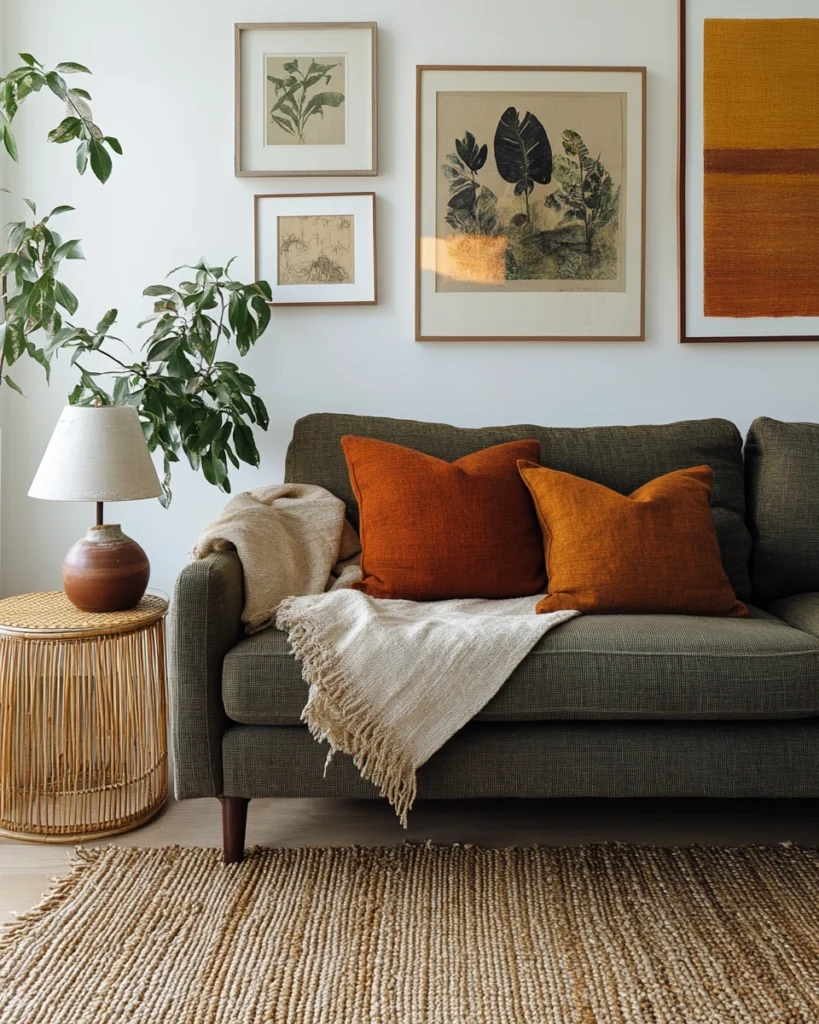
A gallery wall changes a room’s entire personality. Mix framed art prints, mirrors, woven wall hangings, and small shelves. Use Command strips rated for the weight of each piece and patch any tiny holes with a dab of white toothpaste when you move out — a classic renter’s trick.
Leaning Artwork
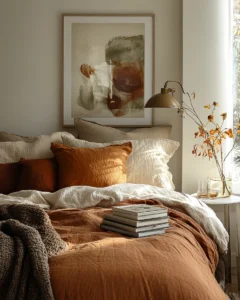
Oversized art leaned casually against the wall — on the floor, on a shelf, on a console table — is one of the easiest ways to add personality without touching a single surface. Stack two or three pieces of varying sizes for a layered, editorial look.
Rethink Your Furniture Layout
Most people arrange furniture the way it came — pushed against the walls, TV opposite the sofa, and that’s it. But smart furniture placement can make a small apartment feel dramatically larger and more intentional.
Float Your Furniture
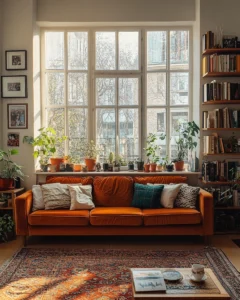
Pulling your sofa away from the wall — even just a few inches — immediately makes a room feel more designed. It creates zones and depth, which tricks the eye into reading the space as bigger.
Define Zones with Rugs
In open-plan apartments, rugs do the work of walls. A rug under the coffee table and sofa creates a “living room zone.” A different rug under the dining table creates a separate “dining zone.” This zoning technique makes a studio or open-plan layout feel organized and intentional rather than chaotic.
Multifunctional Furniture is Your Best Friend
In a small apartment, every piece of furniture should earn its place. Look for:
- Storage ottomans that double as coffee tables and extra seating
- Lift-top coffee tables that convert into work surfaces
- Bed frames with drawers built in underneath
- Sofa beds or daybeds in studio layouts
- Extendable dining tables that shrink when you don’t need the space
Layer Your Lighting
Overhead lighting is the enemy of atmosphere. A single ceiling fixture floods a room with flat, unflattering light that makes even the nicest furniture look sad.
The fix is layered lighting — three types working together:
- Ambient lighting: Your overhead source (use a warm-toned bulb, at minimum)
- Task lighting: Floor lamps, desk lamps, reading lights for functional areas
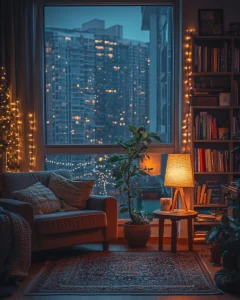
- Accent lighting: Table lamps, LED strips behind shelves, fairy lights, candles
When you layer these, you gain the ability to shift the mood of a room entirely by changing which lights are on. A lamp-lit evening space feels completely different from the same room in full overhead light.
Swap the Bulbs
If you do nothing else, change your light bulbs. Replace any cool white bulbs (5000K+) with warm white (2700K–3000K). This single change makes rooms feel immediately cozier, warmer, and more intentional.
Bring in Texture and Softness
Hard surfaces dominate most apartments — laminate floors, plaster walls, flat furniture. The antidote is texture, and lots of it.
The Textile Stack
Think in layers:
- Rugs on the floor (even layering two works beautifully)
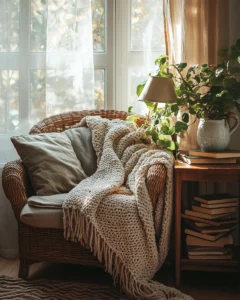
- Throw blankets casually draped over sofas and chairs
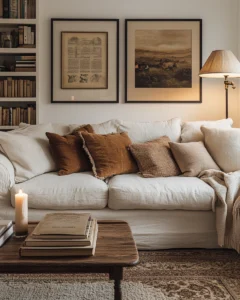
- Cushions in varied sizes and fabric types — velvet, linen, knit, embroidered
- Curtains hung high and wide to make windows look larger and ceilings taller
Hang curtain rods as close to the ceiling as possible and let the curtains extend several inches past the window frame on each side. This simple trick makes any room feel taller and more spacious.
Natural Materials Add Warmth
Wood, rattan, jute, stone, ceramic — natural materials bring warmth and visual texture that synthetic materials simply can’t replicate. A rattan chair, a wooden cutting board displayed on the counter, a ceramic vase, a jute basket — these small additions shift the feel of a space dramatically.
Add Life — Literally
Nothing transforms a space like living things. Plants bring color, texture, movement, and life to apartments in a way no object can replicate.
Choosing Plants for Your Light Conditions
- Low light: Pothos, snake plants, ZZ plants, peace lilies
- Medium light: Monstera, rubber tree, philodendron
- Bright indirect light: Fiddle leaf fig, calathea, most trailing plants
- Direct sun: Succulents, cacti, herbs
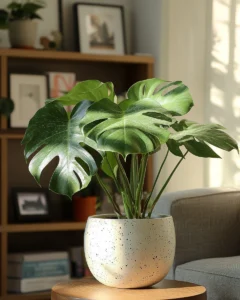
Start with a few easy-care varieties, get them thriving, then expand. A single large plant — a monstera or fiddle leaf in a good ceramic pot — does more for a room than ten tiny ones scattered around.
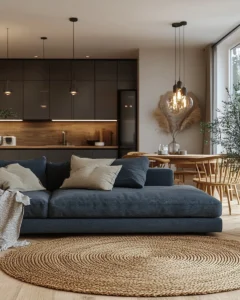
Personalize Every Corner
The difference between a styled apartment and a truly dream space is personality. Your home should tell your story — your travels, your interests, your taste, your memories.
Display the books you actually read. Frame photos that matter to you. Put out the souvenirs from trips. Let your collections be seen rather than hidden. Lean into what makes your taste specific rather than chasing a generic aesthetic.
Authenticity is the one thing you can’t buy. But it’s also what makes a space feel genuinely alive.
The Dream Is in the Details
Turning your apartment into a dream space isn’t about spending a lot of money or waiting until you have more room. It’s about being intentional with what you bring in, layering texture and warmth, using light creatively, and making space for the things that are actually yours.
Start with one room. Make one change this week. The transformation is cumulative — and it’s more within reach than you think.