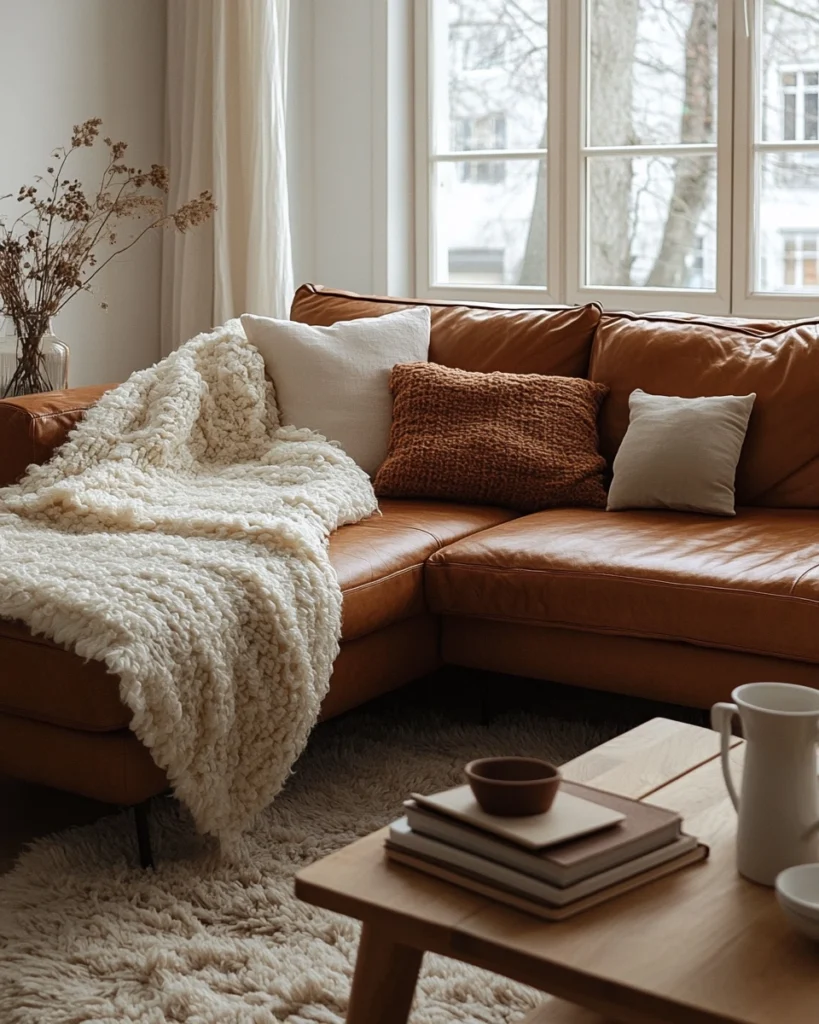
There’s something endlessly calming about walking into a space wrapped in brown and beige. It’s not boring — it’s grounded. It feels like the interior equivalent of a warm hug, and when done right, it’s one of the most sophisticated color palettes you can bring into an apartment.
This isn’t about playing it safe. A brown and beige apartment done well has layers, texture, warmth, and a quiet kind of luxury that trendy neon or all-white spaces simply can’t match. Whether you’re decorating from scratch or refreshing your current space, this guide will show you exactly how to make a brown and beige palette feel rich, dreamy, and completely intentional.
Why Brown and Beige Work So Well Together
Brown and beige are both rooted in nature — earth, sand, wood, stone. That’s precisely why they feel so comfortable to live with. Unlike bold color schemes that can feel exhausting over time, warm neutrals are endlessly livable.
The key to making them interesting is contrast and variation. A single flat beige wall with brown furniture feels flat. But layer in caramel leather, warm ivory linen, chocolate wood, and sandy terracotta, and suddenly you have a palette that breathes and moves.
Choosing Your Shades: Building the Right Brown-Beige Spectrum
Not all browns and beiges are equal. Getting the undertones right is what separates a flat, dull room from one that feels warm and cohesive.
Warm vs. Cool Undertones
- Warm beige has golden, yellow, or peach undertones — perfect for south-facing rooms or spaces that need energy
- Cool beige leans toward gray or greige — better for bright north-facing rooms that don’t need extra warmth
- Chocolate brown is rich and deep — use it as an anchor in furniture, rugs, or accent walls
- Caramel and toffee browns are mid-tones that bridge the gap beautifully between light and dark
Stick to the same temperature family throughout the room. Mix warm beige with caramel, honey, and chocolate — not with cool gray-beige.
The Living Room: Anchoring the Space
The living room is where the brown and beige palette truly shines. Start with a statement sofa — this is your anchor piece.
Sofa and Seating
A caramel leather sofa is a dream choice for this palette. It ages beautifully, picks up light differently throughout the day, and pairs with nearly every shade of beige or brown you add around it. If leather isn’t your style, a textured bouclé sofa in cream or warm ivory achieves a similar anchoring effect with a softer, more tactile quality.
Pair your main sofa with one or two accent chairs in a contrasting shade — try a deep walnut brown armchair or a warm taupe upholstered seat for depth without disruption.
Coffee Table and Surfaces
Natural wood is non-negotiable here. A solid walnut or oak coffee table brings organic texture that no manufactured finish can replicate. Go for rounded shapes for a softer, dreamier feel, or live-edge wood if you want something with more character and personality.
Texture Is Everything in a Neutral Palette
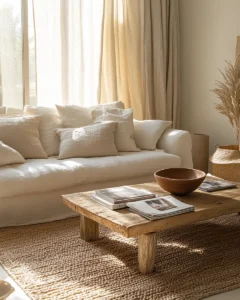
This is the rule that separates a beautiful brown-beige room from a forgettable one: texture does the work that color usually does.
When you’re working within a narrow color range, every surface needs to contribute something tactile and visually interesting.
Must-Have Textures for This Palette
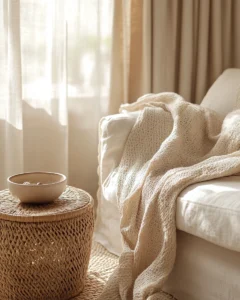
- Chunky knit or woven throws in cream, ivory, or warm oat
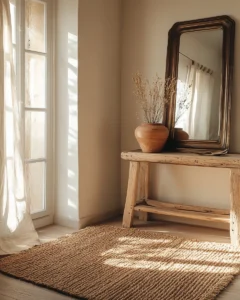
- A jute or wool area rug with natural variation in color and weave
- Velvet or bouclé cushions in caramel, terracotta, or chocolate
- Rattan or cane furniture accents — bed frames, side tables, storage baskets
- Linen curtains in warm white or sandy beige that filter light rather than block it
- Matte ceramic vases or bowls in earthy tones — they add sculptural interest without needing anything inside them
The Bedroom: Soft, Warm, and Cocoon-Like
A brown and beige bedroom palette is practically made for rest. It naturally signals comfort and ease.
Bedding and Layers
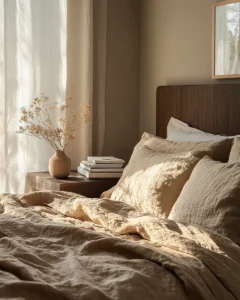
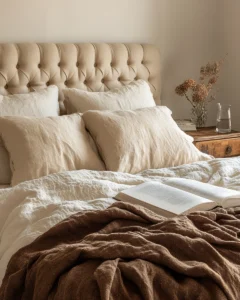
Go generous with your bedding layers. Start with warm white or oatmeal linen sheets, add a sandy duvet or comforter, and finish with a chunky caramel or mocha throw folded loosely across the foot of the bed. The layering creates visual depth and that effortlessly lived-in look.
Headboard and Furniture
A tufted upholstered headboard in warm beige or taupe creates an instant soft, luxurious focal point. Alternatively, a solid wood headboard in dark walnut or espresso brown adds a bold grounding element that prevents the room from feeling too soft.
Keep nightstands in a wood tone — mismatched heights or styles actually add to the dreamy, non-staged feel.
Kitchen and Dining Areas: Earthy and Inviting
The kitchen and dining space can carry this palette beautifully without a full renovation.
Kitchen Styling
If your cabinets are plain white or gray, warm them up with hardware in brushed bronze or aged brass. These tones connect directly to the brown-beige world without requiring a repaint.
Add open shelving in warm wood tones for displaying everyday items — stacked bowls, cutting boards, ceramic mugs. Swap out any cold-toned accessories (chrome, bright white plastic) for terracotta, warm clay, or matte brown ceramics.
Dining Table Setup
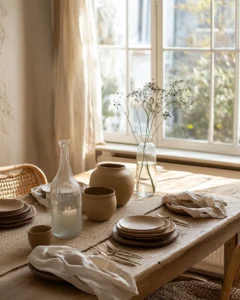
A solid wood dining table — ideally in a warm medium tone like teak, acacia, or oak — is the heart of a brown and beige dining space. Layer it with warm linen placemats, mismatched ceramic plates in sand and earth tones, and natural fiber table runners.
Accent Colors That Complement Without Competing
A pure brown-beige palette can always benefit from subtle accent colors — as long as they don’t overpower the warmth.
The best accent pairings:
- Terracotta and rust — they deepen the warmth and add a Mediterranean richness
- Warm off-white or cream — for brightness without the coldness of pure white
- Dusty mauve or muted blush — for a soft romantic touch that doesn’t jar the palette
- Olive or sage green — earthy enough to work without introducing cool contrast
- Aged gold or brushed bronze — in frames, light fixtures, and hardware
Avoid cool blues, bright whites, or anything with strong gray undertones — they fight against the warmth you’re building.
Lighting: The Secret Ingredient
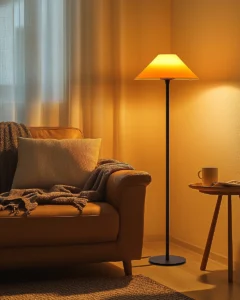
Lighting can make or break a warm palette. In a brown and beige apartment, warm-toned bulbs (2700K–3000K) are non-negotiable. Cool daylight bulbs will strip the warmth right out of your palette and leave everything looking flat and gray.
Use layered lighting: overhead ambient lighting, floor lamps with warm shades, and table lamps in warm bronze, rattan, or linen-shaded styles. The goal is to create pools of warm glow rather than one flat overhead wash.
Final Touches: Making It Feel Personal
The most dreamy interiors don’t look decorated — they look lived in. Scatter a few personal touches throughout your brown and beige apartment:
- Stack books on the coffee table, nightstand, and open shelves — spines in earthy tones look especially good
- Hang artwork in warm tones — abstract expressionist prints, landscape photography, or simple line art in dark wood or gold frames
- Use trays and bowls to organize small objects on surfaces — a matte ceramic tray on the coffee table corrals remotes and coasters with style
- Mix old and new — a vintage lamp next to a modern sofa, or an antique mirror above a simple console table, keeps the space from feeling too curated
Conclusion
A brown and beige apartment palette isn’t a design compromise — it’s a design statement. It says you understand comfort, permanence, and quiet sophistication. Done with attention to texture, tone variation, and lighting, this palette creates interiors that feel genuinely dreamy: soft without being sterile, warm without being heavy, and timeless without being boring.
Start with one anchor piece — a sofa, a rug, a headboard — and build outward from there. Let the layers accumulate naturally, and your apartment will start feeling less like a showroom and more like the warm, beautiful home it’s meant to be.
